

WHAT WE CAN DO FOR YOU
Capital allowances are a valuable form of tax relief that replace depreciation on qualifying plant and machinery. This relief can apply to a wide range of fixtures and fittings in commercial buildings, and in some cases, larger residential properties.
By claiming capital allowances, businesses can reduce taxable profits, lower their overall tax liability, and retain more of their hard-earned profits.
Successfully identifying and maximising capital allowance claims requires a specialist combination of property surveying, forensic accounting, and tax expertise. STax, part of the EMW family, provides this integrated expertise, helping you unlock the full tax relief available on your property investments.
WE ASSIST, GUIDE AND
ADVISE WITH CAPITAL ALLOWANCES
There is no time limit on how far back STax can look i.e., the purchase could have been many years ago. However, what was or wasn’t done during the conveyance can have a big impact on your entitlement to make a claim. Because of this, capital allowance advice is generally best given before exchange of contracts. However, STax have a wealth of experience unpicking the history of past purchases and securing favourable capital allowance outcomes even where others have tried and failed!
Capital allowances on fixtures not only represent significant opportunities but are now also a veritable mine field waiting to blow up in the face of the uninitiated. This is never more the case than when a property changes hand.
When you buy or sell a property there are several requirements laid out in the Capital Allowance Act that all transactions post-April 2014 must comply with. Doing this generally requires a joint capital allowance election to be entered into by the parties. If this is not done, both parties can lose all rights to the capital allowances, devalue their property, and potentially face a snap tax charge from HMRC.
Getting your capital allowance ducks in a row during a conveyance is essential to maximising your outcome. STax has advised on a substantial number of conveyances and even though advice is best given before exchange on contract, they are also often going back over old transactions looking to secure the most favourable outcome possible.
What capital allowances can be claimed on will vary from building to building and between different industries. These typically include systems such as heating, security, general power, fire alarms and sometimes even the decorative items! These capital allowance eligible fixtures would have come into your ownership via one of two routes: by undertaking a program of works (development, fitout, etc.) or by purchasing the property. In both instances you could be sitting on a substantial tax write off.
The purchase price paid for a property is deemed to have contained an amount for the capital allowance eligible fixtures present in the building at the time of purchase. As your capital expenditure is the purchase consideration of the property, not the sum of the components, you can’t simply claim the value of the fixtures – even if you could identify them all. Fortunately, the Capital Allowance Act 2001 makes provision for this situation and allows us to calculate a fair and reasonable apportionment of your purchase consideration. The output of this calculation will identify the percentage of the purchase price you are able to claim capital allowances on.
These claims can often equate to a substantial percentage of the cost of the property. Claims sometimes amount to as much as 35% of the value of a freehold, i.e., £350k of tax relief waiting to be released for a property bought for £1m.
Expert Capital Allowances Advice for Commercial Property in Milton Keynes, Northampton, Watford, London and Nationwide.
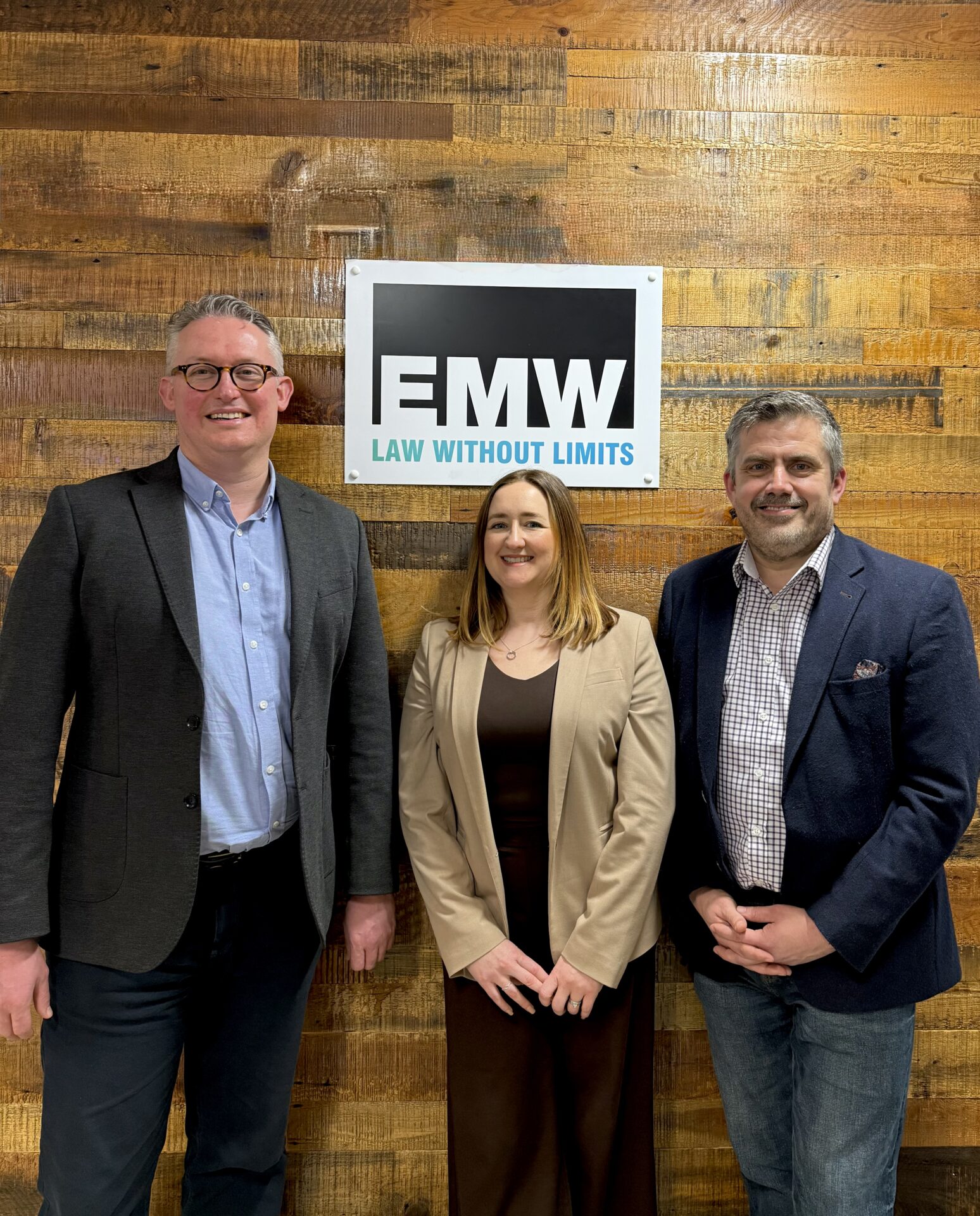
Key members of the capital allowance team
TALK TO US
Having supported us through the buy-out process in 2014 and remained our go to lawyers since, EMW were the obvious choice to support the Springboard shareholders through the exit process. We certainly made the right choice. EMW are responsive, collaborative and pragmatic, always achieving the right balance between representing our best interests and delivering on our wish for the transaction to proceed to close as quickly as possible. I couldn’t be more satisfied with the outcome and the quality of service that EMW provided.
I wholeheartedly recommend EMW to other business owners looking for first class legal advice.
There are a lot of moving parts when selling a business. Having a legal team that do what they say they will, when they say they will with professionalism and clarity makes the process significantly easier. I can’t speak highly enough of EMW.
When it comes to the sale of a founder’s business it is important to remember that the founder and the business need separate legal representation. Of course, prior to the deal, the founder will not perceive the importance of this aspect since the business has always been theirs. EMW looked after my personal interests extremely well and scrutinised the contracts with exceptional attention to detail, leading to a more solid and safe agreement for both sides.
Related Legal Services


 BACK TO TRADING OVERVIEW
 Speak with us